
Skip Hire Guide for Roofing Waste and Building Debris Disposal
Roofing projects often generate significant volumes of waste that require careful planning and efficient removal. Whether work involves replacing damaged roof coverings, upgrading roofing systems, repairing storm damage, or undertaking a complete property refurbishment, managing waste correctly helps maintain a safer, cleaner, and more organised working environment.
For homeowners, landlords, surveyors, local authorities, and commercial property managers, understanding how to handle roofing materials and construction debris can contribute to smoother project delivery and improved site management. Many roofing projects generate a mixture of waste types, including tiles, slates, timber, insulation, felt, metal components, packaging materials, and general building debris.
Without a structured disposal plan, waste can accumulate quickly and create unnecessary obstacles around the property. Proper waste management helps maintain accessibility, improves site organisation, and reduces the likelihood of disruption during ongoing works.
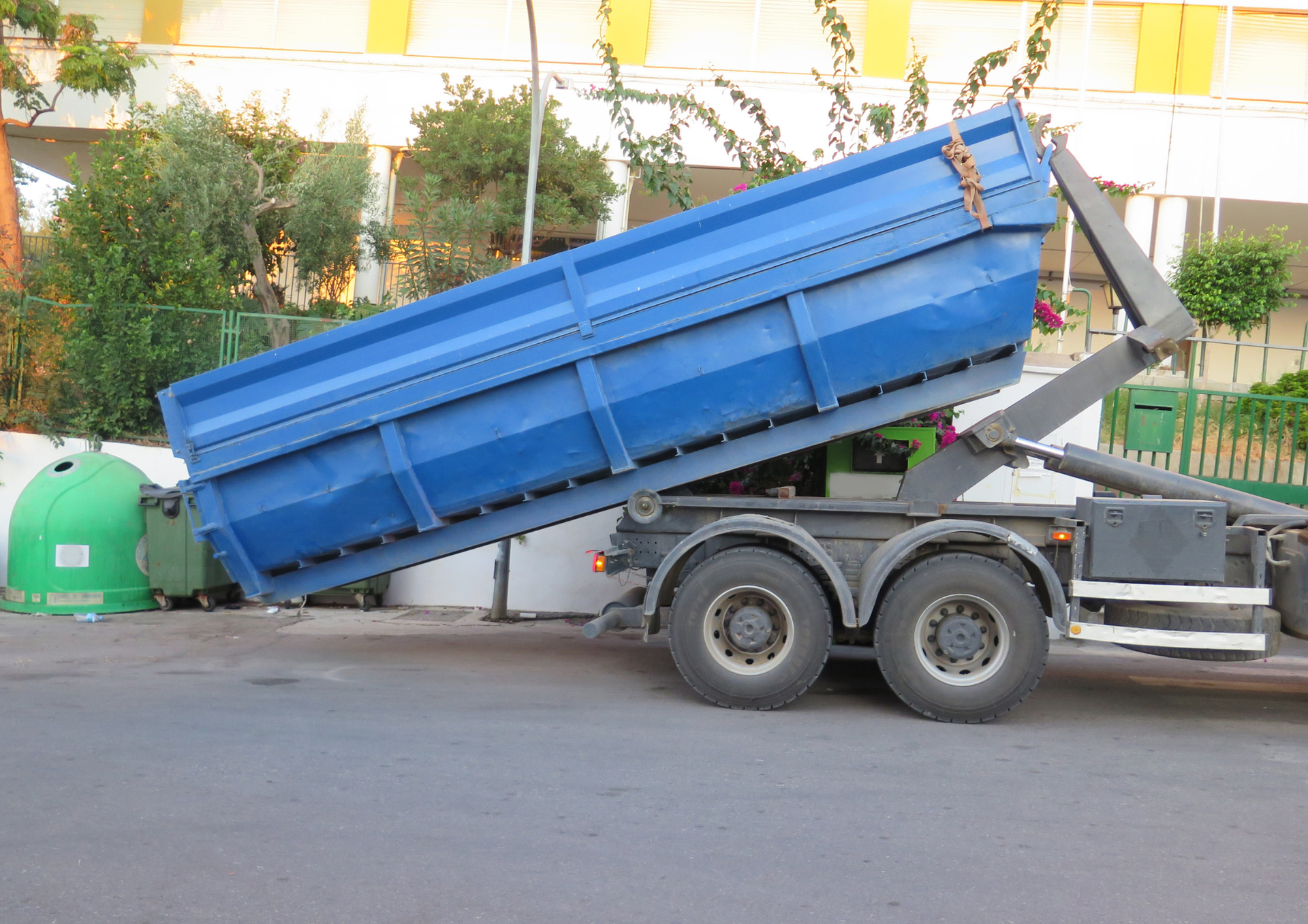
One of the most important aspects of any roofing project is selecting the appropriate waste removal method from the outset. A well-planned approach ensures sufficient capacity for debris while helping contractors and property owners maintain a tidy environment throughout each stage of the work. This is one reason why skip hire remains a practical and widely used solution for managing roofing waste across residential and commercial properties.
Understanding Roofing Materials and Construction Debris
Roofing projects produce a wide variety of waste materials, each presenting different handling and disposal considerations. Traditional roof replacements often involve removing old tiles, slates, battens, underlay materials, flashing, and associated fixtures before new materials can be installed.
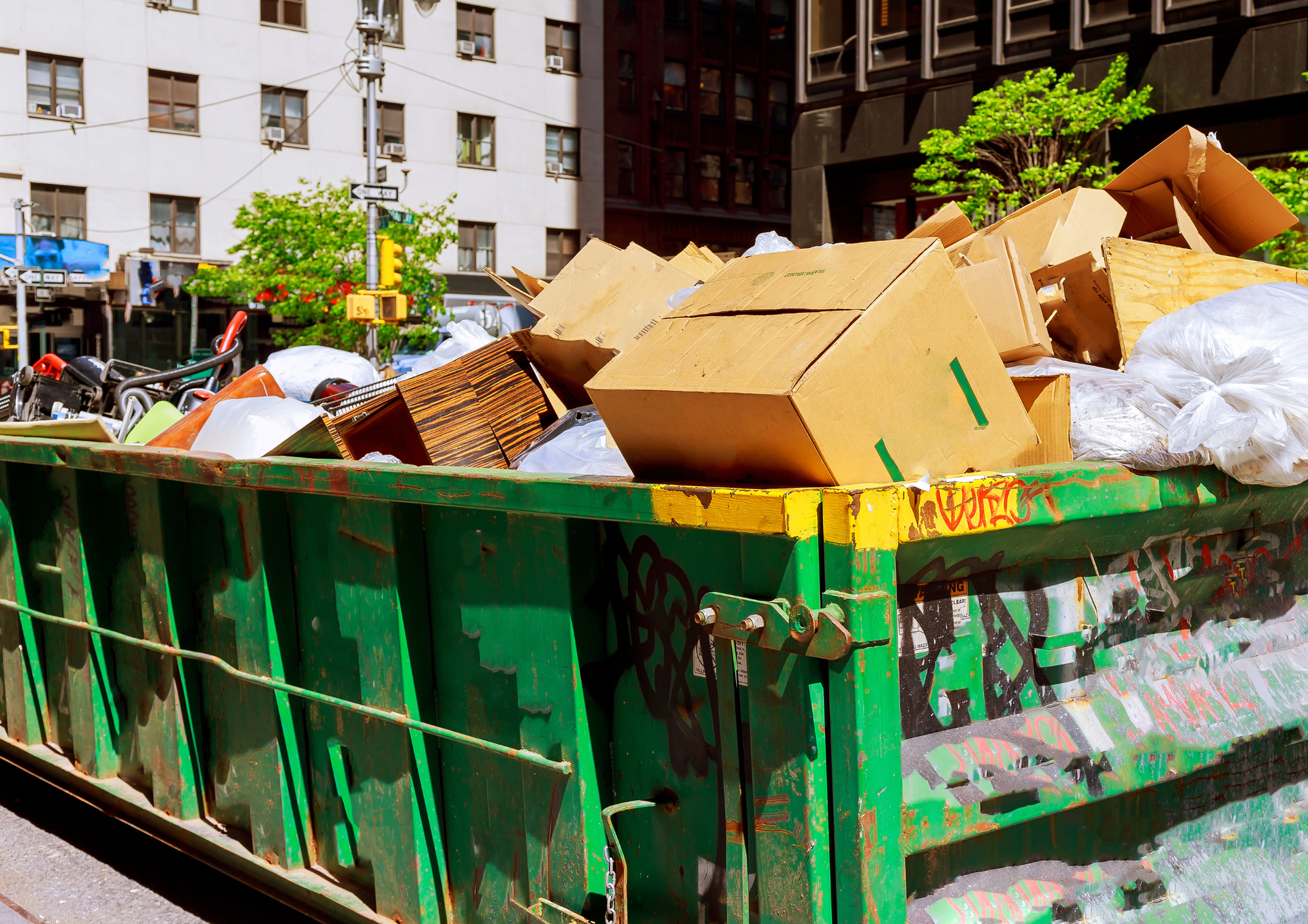
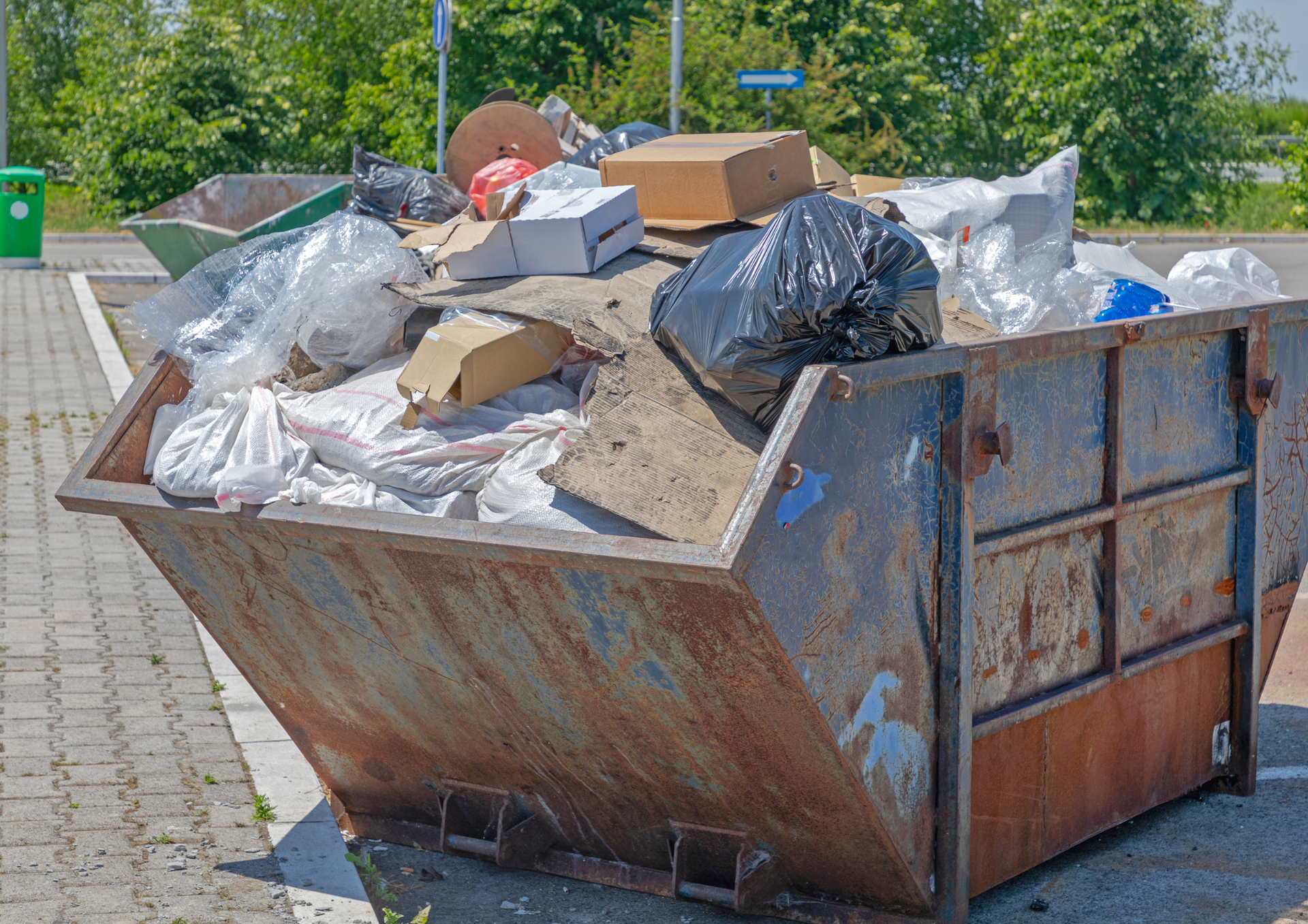
These materials can accumulate quickly, particularly on larger residential and commercial properties, making skip hire a practical solution for keeping waste contained, organised, and ready for efficient removal throughout the project. Construction debris generated during roofing works may also include timber offcuts, packaging materials, damaged guttering, insulation products, plasterboard sections, and miscellaneous renovation waste.
When several trades are working simultaneously, waste volumes can increase considerably over a relatively short period. Heavy materials such as concrete roof tiles and masonry debris require particular attention due to their weight.
Although they may not occupy large amounts of space, they can quickly contribute substantial weight loads. Careful planning helps ensure suitable containment and safe removal throughout the project.
Weather conditions can further influence waste management requirements. Windy conditions may cause lightweight materials to become dispersed across the site, while rainfall can increase the weight of certain waste products. Having a dedicated disposal solution available from the beginning of the project helps maintain better control over waste accumulation regardless of changing site conditions.
Good waste management also contributes to site safety. Loose roofing materials, broken tiles, exposed nails, and scattered debris can create hazards for contractors, occupants, visitors, and neighbouring properties. Keeping waste contained and organised reduces these risks while supporting a more professional working environment.
Choosing the Right Skip Size for Roofing Projects
Choosing the correct skip size is an important part of any roofing project. The right option helps keep waste organised, reduces disruption on site, and ensures roofing materials and construction debris can be removed efficiently throughout the work. The most suitable size will depend on the scale of the project, the amount of waste being generated, and the available space at the property.
Small Roofing Repairs and Maintenance Projects
- A compact skip may be suitable for minor roof repairs and routine maintenance work.
- Often chosen for projects that generate relatively small amounts of waste.
- Useful where access is limited or space is restricted.
- Many property owners searching for 2 yard skip hire near me are carrying out smaller roofing tasks with manageable waste volumes.
Medium-Sized Residential Roofing Projects
- A 4 yard skip can provide a practical balance between capacity and convenience.
- Commonly considered for partial roof replacements and garage roof refurbishments.
- Suitable for smaller renovation projects involving moderate amounts of roofing waste.
- Helps keep materials contained while maintaining an organised work area.
Large Domestic Roofing and Refurbishment Works
- A 6 yard skip is often considered for larger residential projects.
- Suitable for complete roof replacements and property extensions.
- Can accommodate greater volumes of roofing materials and associated building debris.
- Frequently selected when multiple areas of a property are being renovated at the same time.
Extensive Renovation and Commercial Projects
- An 8 yard skip may be appropriate for projects generating significant amounts of construction waste.
- Commonly used during larger refurbishment works and commercial property upgrades.
- Suitable where several waste streams are being produced simultaneously.
- Provides additional capacity for larger quantities of roofing materials and building debris.
Additional Considerations
- Roofing materials such as concrete tiles, slates, bricks, and masonry can be heavier than expected.
- Both waste volume and weight should be considered when selecting a skip size.
- Choosing a skip that is too small may result in additional collections and project delays.
- Selecting a size that is larger than necessary can leave unused capacity.
- Careful planning before work begins helps ensure efficient waste management throughout the project.
Planning Waste Removal Throughout the Roofing Process
Planning waste management from the start of a roofing project can help keep work organised, maintain site safety, and reduce unnecessary delays. Considering waste removal requirements before work begins allows contractors and property owners to manage roofing materials and construction debris more efficiently throughout the project.
Estimate Waste Volumes Early
- Assess the likely amount and type of waste before work starts.
- Consider factors such as roof size, material type, project duration, and property access.
- Early planning helps ensure suitable waste disposal arrangements are in place from the outset.
- Reduces the risk of unexpected capacity issues during the project.
Choose a Suitable Location
- Position waste containers where materials can be loaded safely and conveniently.
- Minimise disruption to occupants, neighbouring properties, and surrounding areas.
- Place waste facilities close to the working area where practical.
- Reduce the time and effort required to transport debris across the site.
Separate Waste Materials Where Possible
- Organise different waste streams during the project.
- Roofing works may generate metals, timber, packaging materials, and general construction debris.
- Separating materials can simplify handling and disposal processes.
- Supports more efficient site organisation throughout the project.
Maintain Clear Communication
- Keep contractors, property owners, and waste management providers informed as work progresses.
- Review disposal requirements if project plans change.
- Allow flexibility for additional waste generated by unforeseen repairs or refurbishment work.
- Ensure waste management arrangements continue to meet project needs.
Consider Weather Conditions
- Heavy rain can increase the weight of certain roofing materials and debris.
- Windy conditions may cause lightweight materials to become scattered.
- Secure containment helps maintain cleaner and safer site conditions.
- Planning for changing weather can help minimise disruption.
Schedule Collections for Longer Projects
- Arrange periodic collections or exchanges where necessary.
- Prevent waste from accumulating and affecting productivity.
- Maintain available capacity throughout extended roofing works.
- Help contractors continue working efficiently without interruptions.
Benefits of Effective Waste Planning
- Promotes a cleaner and more organised working environment.
- Supports site safety for workers, occupants, and visitors.
- Reduces the likelihood of delays caused by waste build-up.
- Allows roofing projects to progress more smoothly from start to finish.
Responsible Waste Management for Residential and Commercial Properties
Responsible waste management extends beyond simply removing unwanted materials from a property. Roofing projects often generate a range of materials that require careful handling to minimise environmental impact and support sustainable disposal practices.
Using skip hire can help property owners and contractors manage roofing waste more effectively by providing a dedicated location for debris collection, improving site organisation, and supporting responsible waste handling throughout the project. Many roofing and construction materials contain components that may be recycled or repurposed through appropriate processing channels.
Metals, timber products, aggregates, and certain packaging materials may all have opportunities for recovery depending on their condition and composition. Responsible disposal practices help maximise these opportunities while reducing the volume of waste sent for final disposal.
Environmental awareness continues to play an increasingly important role within both residential and commercial construction sectors. Property owners, developers, local authorities, and surveyors often seek waste management solutions that support wider sustainability objectives while maintaining practical efficiency.
Documentation and transparency can also contribute to responsible waste management practices. Understanding how waste is handled after collection provides reassurance that materials are being processed through appropriate channels where possible.
Commercial projects may face additional considerations due to project scale, site management requirements, and organisational sustainability goals. Effective waste management planning supports broader project objectives while helping maintain operational efficiency throughout construction activities.
Residential property owners similarly benefit from responsible waste disposal arrangements during roofing projects. Whether replacing a damaged roof, undertaking a loft conversion, or carrying out wider refurbishment works, organised waste management helps maintain property appearance, improve site safety, and support smoother project progression.
At its core, responsible waste management combines practical efficiency with environmental awareness. By planning appropriately and selecting suitable disposal solutions, property owners and contractors can manage roofing waste more effectively while supporting cleaner and better organised project environments.
Skip Hire Oxford
provides dependable waste management support for homeowners, landlords, surveyors, local authorities, and commercial property managers undertaking roofing and construction projects. We understand that every project is different, which is why we focus on providing practical guidance and straightforward solutions tailored to individual requirements.
Our website offers helpful information designed to assist customers in understanding waste management options, selecting suitable container sizes, and planning projects more effectively. We aim to make the process clear, accessible, and easy to understand regardless of project size or complexity.
By combining industry knowledge, customer-focused support, and a commitment to practical waste management solutions, we help customers organise roofing and building projects with confidence while maintaining efficient and responsible waste disposal practices.
Update on X: How
skip hire helps manage building debris and rubble efficiently.
You might also like