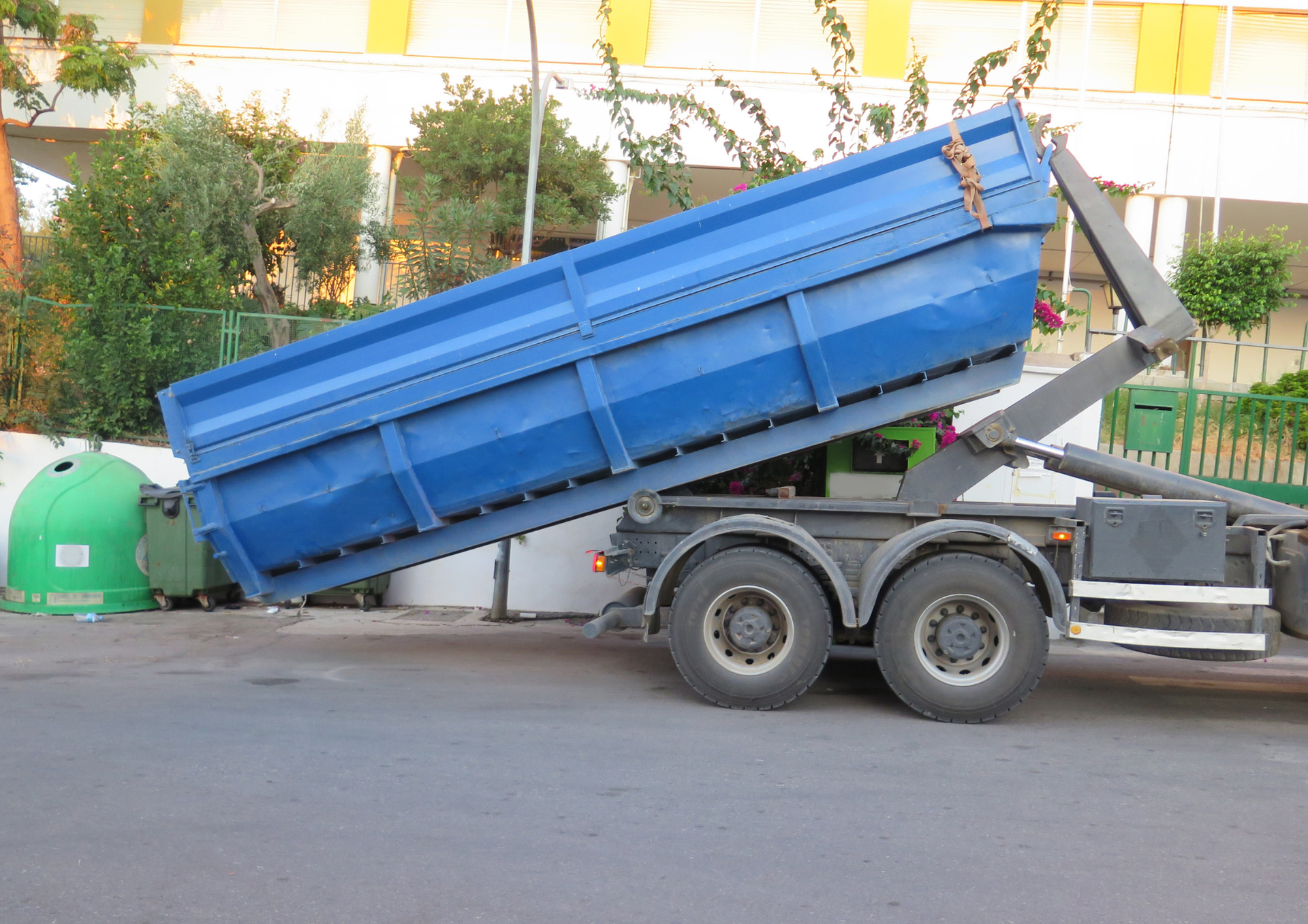

Understanding Skips and Choosing the Right Size for Every Project
Choosing an appropriate waste solution can make a noticeable difference to how smoothly a household clearance, renovation or building project progresses. Skips provide a practical way to keep unwanted materials contained in one place, reducing clutter around a property and making it easier to organise disposal as work continues. The right choice depends on more than simply estimating how much rubbish is likely to be produced.
Homeowners may need waste capacity for a garden clearance, kitchen renovation or loft clean-out, while landlords could be preparing a property between tenancies. Surveyors and local authorities may have different requirements when coordinating maintenance or improvement work, and those responsible for commercial properties often need to consider larger quantities of material and access for delivery vehicles.
Thinking about the type of project, expected volume of material, available space and length of the work can help identify a practical solution. It can also reduce the possibility of choosing a container that is unnecessarily large or discovering halfway through a project that additional capacity is required.
Matching Waste Capacity to Different Types of Projects
Different improvement jobs can produce very different quantities and types of material. A small household clear-out may only create bags, boxes and unwanted furnishings, whereas structural work can produce heavier and bulkier debris. Considering the project as a whole before arranging disposal makes it easier to estimate the capacity that may be required.
If you are preparing to order a skip, think about everything that is likely to be removed rather than only the waste visible at the beginning of the project. Flooring, old cupboards, packaging, garden material and dismantled fittings can occupy considerably more room once removed from the property.
Household Clearances
- Loft, cupboard and spare-room clearances often produce mixed household items that vary considerably in shape and volume.
- Breaking down suitable bulky items can help make more effective use of the available container space.
- Planning room by room provides a clearer idea of how much material is likely to require disposal.
- Leaving some capacity for unexpected items can prevent the container becoming full before the clearance is complete.
Garden Improvements
- Hedge cuttings, branches, old fencing and general garden debris can occupy substantial space despite being relatively straightforward to remove.
- Larger landscaping projects may also produce soil, paving or other heavy materials that require additional consideration.
- Estimating waste after considering the complete garden project gives a more realistic indication of the capacity required.
- Customers should establish which materials are acceptable before beginning to load.
Renovations and Refurbishments
- Kitchen and bathroom projects can produce old units, fittings, tiles, flooring and packaging alongside general renovation debris.
- Removing several rooms at once can increase waste volume considerably.
- Planning disposal alongside the work programme helps keep hallways, gardens and working areas clearer.
- Contractors and property managers may benefit from coordinating collection around key stages of the refurbishment.
Commercial and Managed Properties
- Office clearances, retail refurbishments and property maintenance programmes can generate a mixture of fixtures, furnishings and general material.
- Those managing larger sites should consider where the container can be positioned without unnecessarily affecting everyday access.
- Estimating waste before work begins can help prevent interruptions during busy projects.
- Coordinating delivery and removal with other contractors can contribute to a more organised working environment.
Considering Access, Placement and Local Requirements
Capacity is only one part of choosing a suitable waste solution. The proposed delivery location also needs careful consideration, particularly at properties where outside space is restricted. A container that is appropriate for the amount of waste still needs to be positioned somewhere practical for both the customer and the delivery vehicle.
Driveways and other suitable private areas can provide convenient placement because waste remains close to the property. Before delivery, however, customers should consider the width of the entrance, overhead obstacles, parked vehicles and whether sufficient room is available for the delivery vehicle to manoeuvre. Gates, walls, trees and other permanent features can all affect access.
Where private space is unavailable, placement on a public road may involve additional requirements. These arrangements can vary depending on the location and circumstances, so they should be considered before the intended delivery date rather than once work has already begun. Allowing sufficient preparation time can prevent an otherwise well-planned renovation or clearance from being delayed.
Customers looking for local skip hire can benefit from discussing access conditions at the enquiry stage. Providing accurate information about the property, proposed position and surrounding restrictions gives the provider a clearer understanding of what may be practical.
Placement should also work for the people carrying out the project. A container positioned close to the work area can reduce the distance that materials need to be carried, but it should not unnecessarily obstruct entrances, pedestrian routes or areas required by other contractors. For commercial premises, consideration may also need to be given to customers, staff, deliveries and neighbouring businesses.
Oxford contains a varied mixture of residential streets, established neighbourhoods, commercial areas and properties where space can be limited. The same principles apply elsewhere: assessing access before booking is generally easier than trying to resolve placement difficulties when the delivery vehicle arrives.
Customers should also consider the surface where the container will stand. The suitability of a driveway or other private area can depend on its construction and condition. Discussing any concerns beforehand provides an opportunity to consider alternative arrangements.
Good preparation therefore combines waste estimation with practical site planning. When both are considered together, customers are better positioned to choose an arrangement that works throughout the project rather than simply on the day of delivery.
Comparing Capacity for Small and Large Improvement Jobs
Understanding skip in relation to the scale of a project can help customers avoid choosing purely by appearance. Waste frequently takes up more space once cupboards, flooring, fittings or garden structures have been dismantled, so the likely volume should be considered before work begins.
Small Clearances
- Minor decluttering, individual room clearances and smaller garden jobs generally produce relatively modest amounts of material.
- Compact capacity may be more practical where driveway or outside space is restricted.
- Customers should still consider bulky items because these can consume available room quickly.
- Estimating the complete job rather than the first few bags provides a more useful starting point.
Medium Home Improvements
- Kitchen replacements, bathroom renovations and several-room decorating projects can generate a broader mixture of materials.
- Old cabinets, worktops, flooring and packaging may require more capacity than initially expected.
- Allowing reasonable space for material generated later in the project can reduce the chance of running out of room.
- Timing delivery shortly before work begins keeps the disposal area available when it is actually needed.
Larger Renovations
- Extensions, substantial refurbishments and multi-room projects can produce considerably greater quantities of material.
- Waste may be generated over several stages, making the anticipated project programme important when arranging disposal.
- Heavy materials require particular consideration because capacity is not determined solely by physical volume.
- Discussing the nature of the project beforehand can help identify a practical arrangement.
Choosing Between Capacities
- Comparing skip sizes according to actual project requirements is more useful than automatically selecting the largest available option.
- Customers should consider waste type, volume, placement space and the expected duration of work together.
- A well-matched container can help reduce unnecessary empty space while providing sufficient capacity for the job.
- Professional guidance can be useful when the expected quantity is difficult to estimate.
Planning Delivery, Loading and Collection Efficiently
Once an appropriate option has been identified, timing becomes an important part of the process. Good scheduling can help ensure that waste disposal supports the project rather than becoming another task that needs to be resolved at short notice.
For home improvements, arranging delivery shortly before work begins means capacity is available as soon as old fittings, furnishings or materials start being removed. Delivering too early may occupy useful space unnecessarily, while arranging it after demolition or clearance has begun can leave waste accumulating around the property.
Loading should also be approached methodically. Placing suitable flatter materials carefully and avoiding unnecessary gaps can help customers use the available capacity efficiently. Bulky items may occupy considerable room if placed without thought, so organising waste as the project progresses can make a difference.
Customers should follow the provider's guidance regarding permitted materials and loading levels. Waste should remain appropriately contained rather than being piled beyond the intended capacity. If a project changes significantly and begins generating much more material than expected, discussing the situation with the provider is preferable to attempting to overload the container.
Mini skips can be worth considering for modest projects where the expected quantity of waste is limited and available placement space is relatively restricted. The appropriate option still depends on the actual materials being removed, so project requirements should be assessed rather than choosing solely because a smaller container appears more convenient.
Collection planning is equally important. Some customers know exactly when a clearance or renovation will finish, while others need greater flexibility because building work can change as the project develops. Considering the likely timescale before booking provides a useful starting point, and maintaining communication can help when circumstances change.
Landlords preparing properties for new occupants may need disposal coordinated with cleaning, maintenance and decorating. Surveyors and those responsible for managed properties may need to work around contractors or access arrangements. Commercial projects can involve additional scheduling considerations to minimise disruption to normal operations.
An organised approach from delivery through to collection therefore provides more than convenience. It helps waste management fit naturally around the wider project, allowing customers to concentrate on the work itself.
Choosing the right waste container begins with understanding the project rather than simply selecting an option based on appearance or capacity alone. The amount and type of material, available placement space, site access, project duration and collection arrangements all deserve consideration before making a booking.
For homeowners, a little planning can make garden clearances, renovations and household improvements considerably easier to organise. Landlords and property managers can benefit from coordinating waste removal with maintenance schedules, while surveyors and local authorities may need to consider access, timing and the wider requirements of managed sites. Commercial properties often introduce further considerations because normal business activity may need to continue while work takes place.
The most suitable skips should therefore reflect the practical requirements of each individual job. Estimating waste carefully, checking the proposed placement area and discussing unusual materials or access restrictions in advance can help avoid unnecessary complications later.
Although this guide considers circumstances relevant to Oxford, the same planning principles apply to projects throughout the UK. Taking a structured approach before booking makes it easier to manage waste responsibly and keep improvement work organised from the first stages through to final collection.
Skip Hire Oxford provides a straightforward way for homeowners, landlords, surveyors, local authorities and those responsible for residential or commercial properties to arrange waste removal for projects of different sizes. We focus on clear communication, practical guidance and organised delivery and collection arrangements so customers can make decisions based on the requirements of their particular project.
Whether you are carrying out a small household clearance, improving a garden, renovating several rooms or managing a larger property project, we can help you consider the expected waste volume and available space before booking. Choosing suitable skips for the amount and type of material involved can make waste management more practical while helping the project remain organised from beginning to end.
If you are unsure which option is appropriate, we can discuss the type of work being undertaken, likely quantity of material and proposed placement area. This provides a practical basis for choosing a suitable solution and planning the next steps with greater confidence.
Check out our latest X update on understanding
skips and choosing the right size for every project!
You might also like