
Which Types of Waste Can Go in a 40 Yard Skip? Find Out Here
When tackling a major project that generates large volumes of waste, choosing the right size is essential. A 40 yard skip is one of the largest options available for commercial or industrial use and is ideal for managing substantial amounts of light, bulky waste. Whether you're planning a site clearance, major renovation, or a commercial fit-out, this skip provides a practical solution for keeping your space clear and compliant.
This guide covers what waste is suitable for a 40 yard skip, who should use one, and key points to consider before hiring.
What is a 40 Yard Skip and Who Needs It?
A 40 yard skip offers a substantial amount of space — around 30.58 cubic metres — which equates to roughly 440 to 460 bin bags worth of waste. It's designed to hold large quantities of light materials, making it ideal for projects where bulky but relatively lightweight waste accumulates quickly.
This type of skip is commonly used on large construction sites where multiple trades produce waste simultaneously. It's also suitable for homeowners undertaking full property renovations, businesses relocating offices or clearing out storage, event organisers needing efficient waste management for large crowds, and landscapers clearing extensive outdoor spaces.
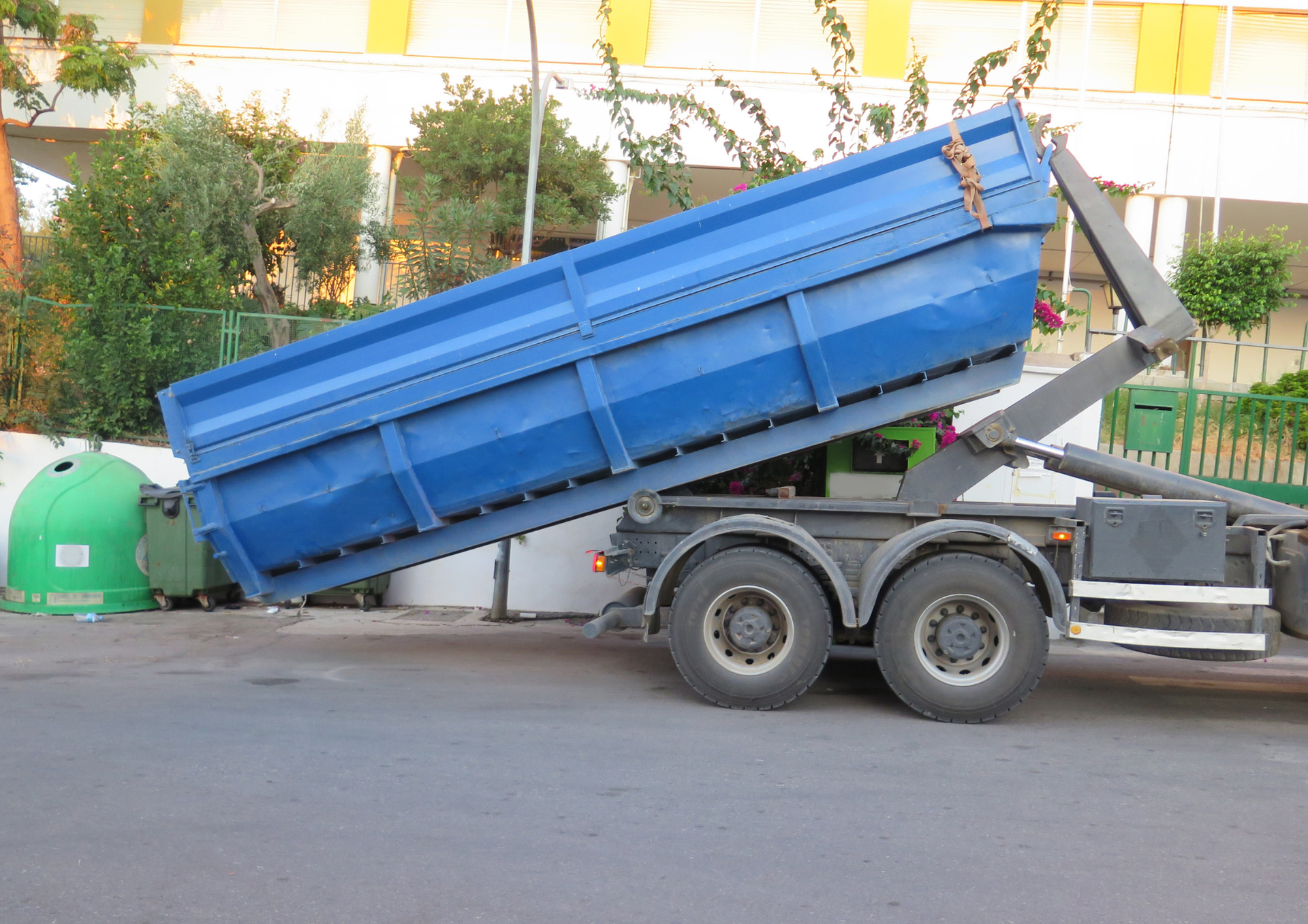
Due to its size, the 40 yard requires significant space for delivery and placement, which means it may not be suitable for residential streets or tight access areas. It’s also important to understand the 40 yard skip size in relation to your available space to avoid complications on delivery day.
Types of Waste Suitable for a 40 Yard Skip
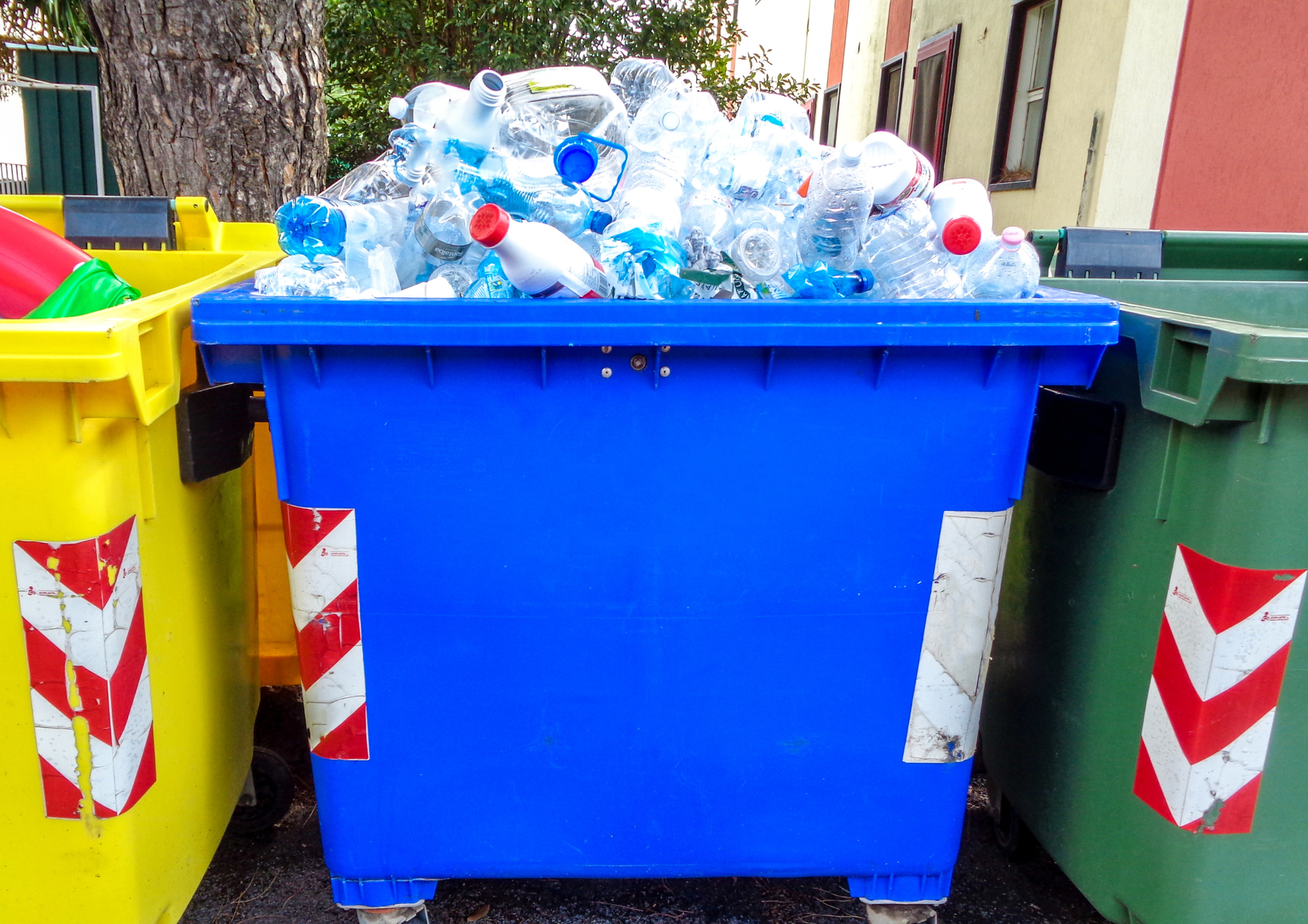
Although the 40 yard has a large capacity, not all types of waste are permitted. It is primarily intended for non-hazardous, lightweight materials. Items that can be disposed of in this skip include wood from structural or decorative use, metal offcuts, packaging waste such as cardboard and polythene, and non-electrical fittings like doors and skirting boards. It is also suitable for the disposal of old furniture such as chairs, wardrobes, and desks, as well as plastics and garden waste such as tree branches, shrubs, and soil-free green waste.
Small amounts of rubble and construction debris can be included, but it is crucial to avoid filling this skip with heavy waste such as bricks, concrete, or soil, which could cause the skip to exceed weight limits for safe transportation. This makes the 40 yard particularly efficient for projects that generate high volumes of dry mixed recyclables or general waste with lower density.
There are, however, clear restrictions. Items that cannot be placed in a 40 yard include hazardous materials like asbestos, electrical appliances such as televisions and refrigerators, tyres, gas canisters, and any form of chemical or solvent waste. Plasterboard can only be included if properly bagged and separated, in line with environmental regulations. Paint, batteries, and medical waste are also strictly prohibited. Disposing of these items improperly can result in additional charges or legal penalties, so it is always best to confirm with your provider if in doubt.
In summary, the 40 yard is best used for large volumes of clean, dry, and non-hazardous waste. By sticking to permitted materials, you’ll avoid delays and help ensure your project stays on schedule.
Key Considerations Before Booking a 40 Yard Skip
Before booking, it’s important to take a few practical factors into account to ensure your skip hire runs smoothly. One of the first considerations is space. A skip of this size is delivered using a large vehicle, so you’ll need sufficient room for both access and placement. If your site is in a built-up area or on a narrow road, you may need to consult with your provider to determine feasibility.
If you intend to place the skip on public land, such as a pavement or roadside, a skip permit is required from your local council. These permits can take a few days to process, so plan accordingly. If the skip will be placed on private land like a driveway, no permit is needed, but make sure the surface can support the weight.
Understanding how to load the skip correctly is also essential. Skips should be loaded evenly and not filled above the rim. Overfilling is a safety risk and can result in collection being refused until the load is adjusted. Additionally, ensure that you follow all rules about restricted items to avoid surcharges.
When it comes to hire duration, many providers offer a standard period of seven to fourteen days, with flexibility for longer projects. Be sure to confirm this when booking to avoid unnecessary extension fees.
Price is another important aspect. The 40 yard skip price will vary depending on your location, the type of waste you plan to dispose of, how long you need the skip for, and whether a permit is required. It’s worth requesting a full breakdown of costs so you understand what’s included.
How to Choose the Right Provider
Choosing a reputable skip hire company is essential when dealing with large skips, as reliability and compliance are critical for legal and environmental reasons. Not all companies provide the same level of service, so it pays to do your research.
Start by checking whether the company is licensed by the Environment Agency to carry waste. This ensures they are authorised to handle, transport, and dispose of waste in a compliant and responsible manner. You should also look for clear, upfront pricing and a professional approach to customer service.
A good provider will help you understand which skip size is appropriate, assist with arranging permits if needed, and explain any restrictions regarding waste types. They’ll also offer guidance on how to load the skip safely and legally. If you’re unsure where to begin, searching online for 40 yard skip hire near me can point you to local providers with good reputations and verified customer reviews.
It’s also important to consider the company’s environmental policy. A responsible provider will aim to recycle as much waste as possible, reducing landfill use and contributing to sustainable waste management practices.
Although the 40 yard skip cost may be higher than that of smaller skips, it can be more economical for large-scale projects as it reduces the need for multiple smaller skips and repeat collections. This not only saves time but can also reduce the overall environmental impact of your project.
A
40 yard skip is a practical and efficient choice for managing large volumes of non-hazardous waste on commercial, construction, or major renovation projects. Its size makes it suitable for bulky but relatively light materials such as wood, plastics, packaging, and office furniture. However, it’s essential to understand which materials are restricted to avoid legal issues or extra costs.
Before hiring, consider access, permit requirements, hire duration, and correct loading practices. Choosing a trusted and experienced provider is key to ensuring smooth service, compliance with regulations, and environmentally responsible waste disposal.
At
Skip Hire Oxford, we specialise in providing reliable, professional skip solutions tailored to a wide range of projects. Whether you're clearing out a property, overseeing a major build, managing an event, or handling a commercial renovation, we offer expert advice and flexible hire options that suit your timeline and budget.
We understand the challenges that come with large-scale waste disposal. That’s why we take a customer-first approach — offering honest guidance, arranging permits where needed, and ensuring every skip is delivered and collected on time. Our team is fully licensed, trained, and committed to environmentally responsible waste handling, with a strong emphasis on recycling and landfill diversion.
Latest post on X: What can you put in a
40 yard skip? Types of waste explained!
You might also like